
How an EV Battery Thermal Management Chiller Extends Cell Life
An EV battery thermal management chiller does not add energy to a battery or change its cell chemistry. Its value is more practical: it removes heat from a coolant loop so cells spend less time at damaging temperatures and operate with smaller temperature differences across the pack. For a pack-integration team, that distinction is useful. Cell ageing is influenced by chemistry, charge rate, state of charge, current, and time as well as temperature. The chiller is one part of the system that helps keep those variables from becoming a thermal problem.
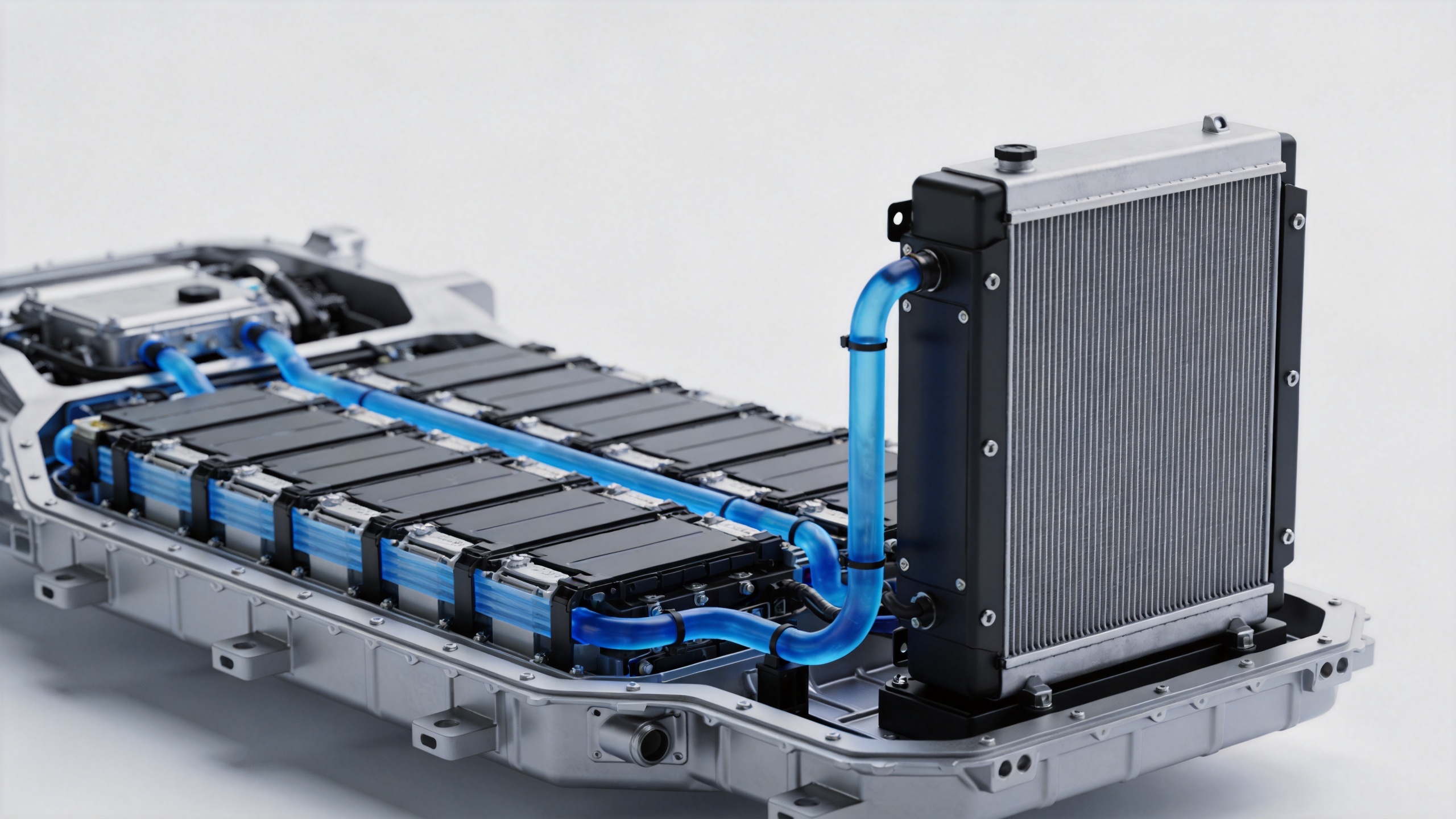
In a liquid-cooled battery pack, the chiller commonly cools a water-glycol mixture that circulates through cold plates or other heat-exchange paths near the cells. During a hot drive, heavy load, or fast-charge event, the loop transports heat out of the pack. In cold conditions, the larger thermal system may also warm the pack before charging or high-power operation. The design goal is not simply to make the coolant as cold as possible. It is to keep cells in the temperature and uniformity range specified for that particular chemistry and pack architecture.
Why temperature control is tied to cell ageing
Lithium-ion cells generate heat when they charge and discharge. Some heat comes from internal resistance; some comes from electrochemical processes. If heat is not removed at a rate that matches the operating condition, cell temperature rises. Sustained heat can accelerate parasitic reactions that consume active lithium or alter boundaries within the cell. Capacity and power capability can then decline faster than they would under more moderate conditions.
Cold operation needs equal care. Low temperature slows electrochemical kinetics, and charging a cold cell at an unsuitable rate can increase the risk of lithium plating. That is why an EV thermal system is usually both a cooling and heating system. A useful engineering rule is to validate the permitted cell-temperature window and charge limits against the cell supplier’s documentation rather than applying one universal number to every pack.
Temperature spread is another lifecycle concern. Two cells with the same average pack temperature may not age at the same pace if one sits in a persistent hot spot. Differences can arise from unequal coolant distribution, poor contact between a cold plate and module, restricted flow, or a local high-current region. An EV battery thermal management chiller supports the loop, but manifold design, cold-plate geometry, sensor placement, controls, and pack layout determine whether cooling reaches cells evenly.
What the chiller does in the coolant loop
In practical terms, the chiller is the heat-rejection component of a closed circuit. Warm coolant leaves the battery, passes through a heat exchanger connected to a refrigeration circuit or another cooling source, and returns at a controlled temperature. The battery-management and thermal-control logic use temperature, flow, ambient conditions, and vehicle operating state to decide how much cooling is needed.
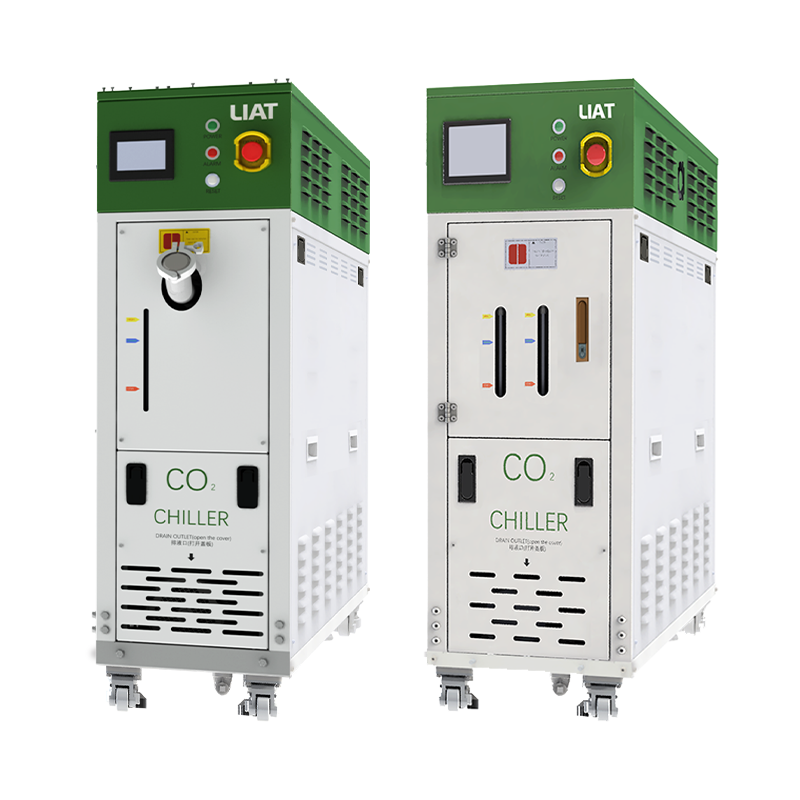
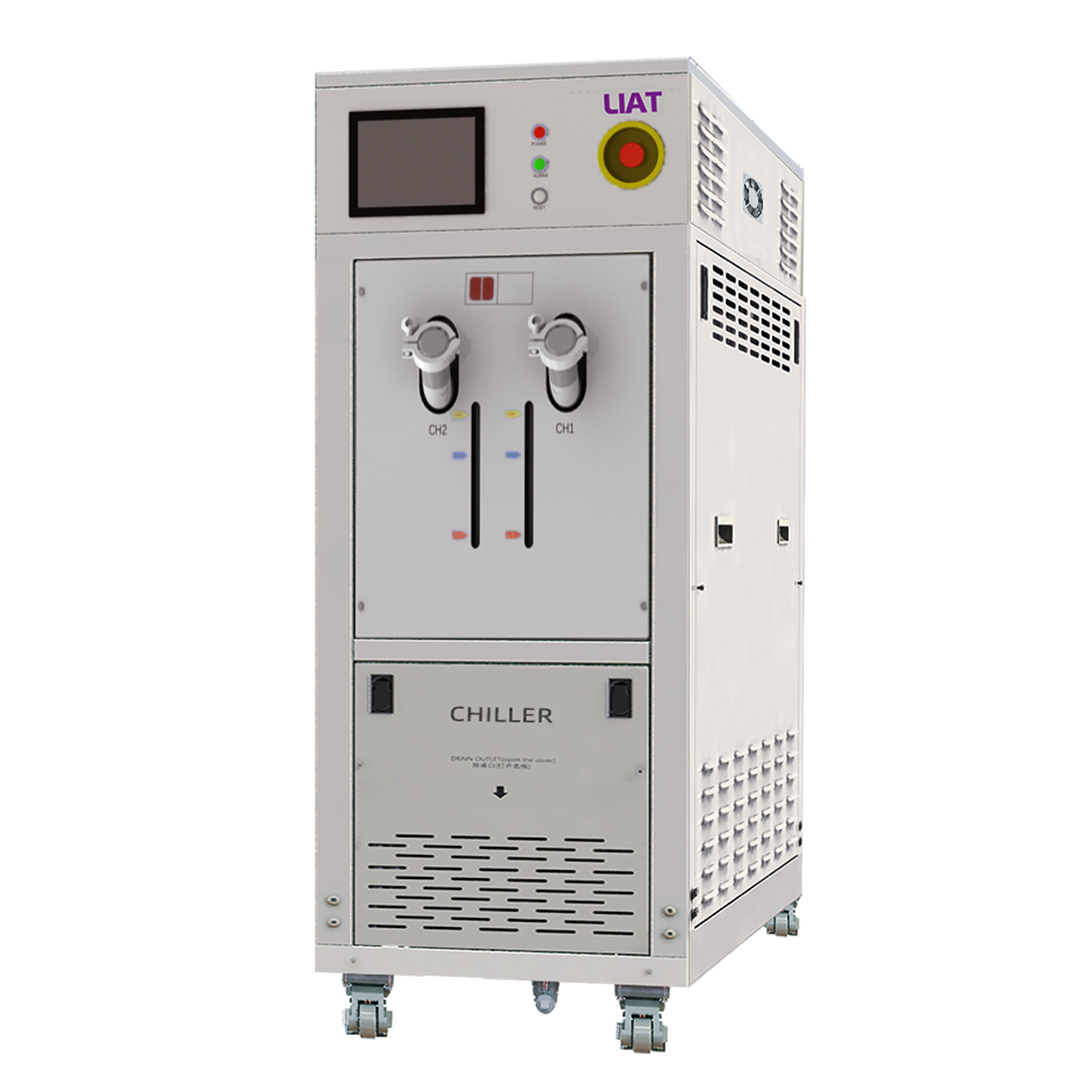
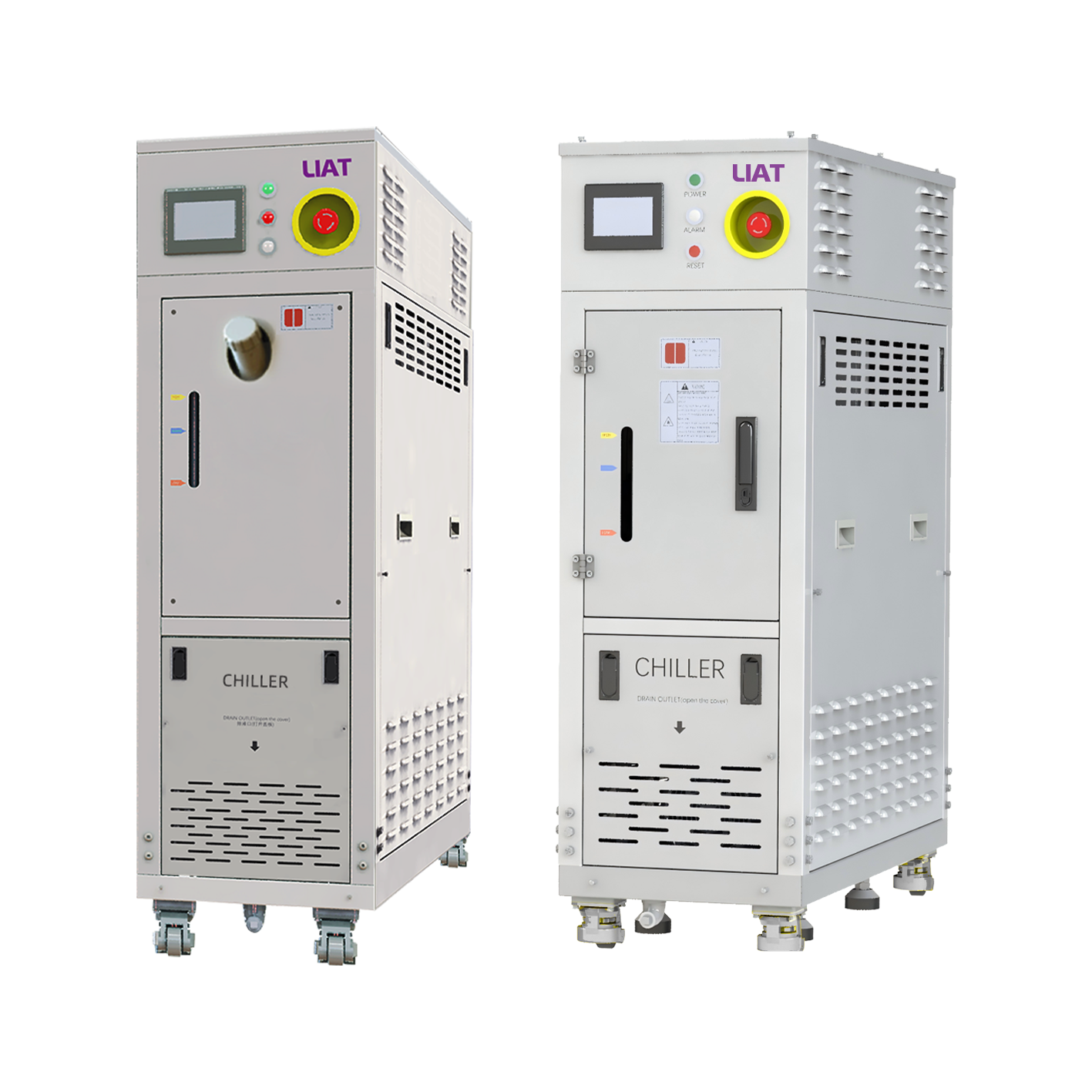
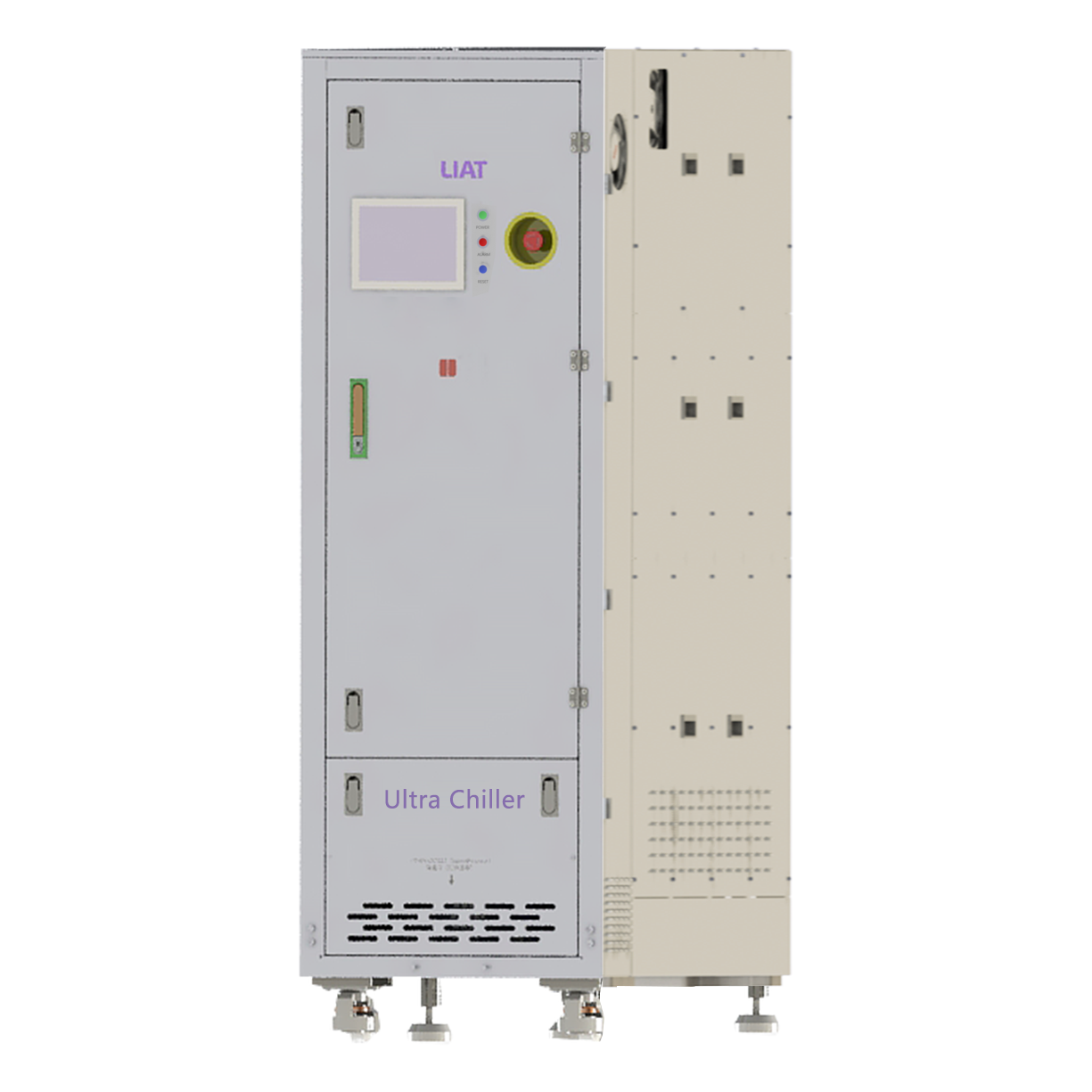
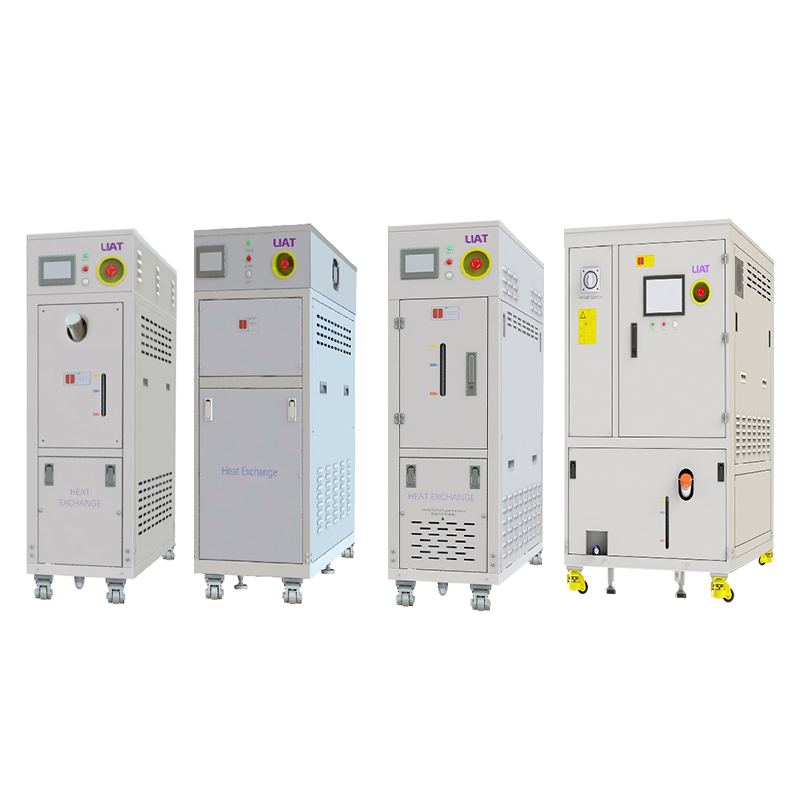
An industrial chiller used for battery development or end-of-line testing follows the same heat-transfer principle, although its duty cycle, control connection, and installation conditions can differ from an onboard unit. In either case, capacity alone is an incomplete selection criterion. Engineers need to consider heat load over time, target coolant supply temperature, allowable pressure drop, flow range, coolant properties, response to transients, and how the controller will exchange signals with the test bench or vehicle system.
When selecting an EV battery thermal management chiller, it is also important to separate nominal cooling capacity from usable capacity at the actual ambient temperature and setpoint. A system may perform differently during a steady soak, a rapid charging pulse, and a hot-weather climb. Evaluating those conditions as a profile gives a more credible picture than comparing a single headline rating.
How stable cooling can support longer service life
1. It limits time spent at elevated cell temperature
A chiller cannot reverse ageing that has already occurred. It can, however, reduce exposure to elevated temperature when the thermal loop has adequate heat-transfer capability. That exposure is especially relevant during repeated high-power events, fast charging, high ambient temperatures, and post-drive heat soak. Keeping the pack closer to its intended operating conditions can slow thermally driven ageing pathways relative to an inadequately cooled equivalent duty cycle.
2. It helps reduce persistent hot spots
Cell life is not only an average-temperature question. A pack can show an acceptable average while individual locations run hotter. The chiller supplies the temperature-controlled coolant, while the rest of the thermal design must distribute that coolant consistently. Checking supply and return temperatures, flow balance, module-level sensor traces, and the thermal contact condition helps reveal whether a local hot spot is caused by the chiller, the coolant circuit, or the pack itself.
3. It supports repeatable charging and performance decisions
Fast charging and high-power discharge are transient events. If temperatures climb quickly, control logic may need to limit current or change operating conditions. An EV battery thermal management chiller with suitable dynamic response can help the cooling loop absorb those transients, provided the cold plate and coolant path can move heat from the cell to the fluid. In other words, chiller performance and pack thermal resistance need to be evaluated together.
What to verify before specifying a system
- Thermal profile: Define continuous and peak heat loads for driving, charging, soak, and environmental testing.
- Temperature control: Set supply-temperature stability and allowed pack-temperature spread from cell and vehicle requirements.
- Flow and pressure: Confirm coolant type, required flow range, pressure drop, hose routing, and pump operating point.
- Controls: Verify sensor locations, alarms, communication protocol, interlocks, and response during faults or load changes.
- Service access: Plan filtration, coolant maintenance, leak checks, and trend review so gradual changes are visible.
Those checks matter because a thermal issue rarely belongs to one component alone. Reduced flow may look like insufficient cooling capacity. A drifting sensor can look like a hot module. Poor contact between a plate and a module can make a larger industrial chiller appear necessary when the heat-transfer bottleneck is elsewhere. Treating the system as a chain of thermal resistances leads to better root-cause work.
Operational habits that protect the thermal design
Trend coolant supply and return temperature, flow, ambient temperature, and representative module readings over comparable operating cycles. A growing temperature difference at the same load can indicate fouling, a flow restriction, a pump issue, or a changing thermal contact layer. Review control behavior after software or hardware changes rather than assuming a prior calibration remains suitable.
For laboratory and production environments, an EV battery thermal management chiller should be assessed under the same coolant mixture, routing length, and control conditions expected in service. An industrial chiller that is appropriate for one test fixture may need different flow control or heat-load margin for another. Clear operating envelopes and documented verification tests help teams distinguish intended behaviour from an emerging fault.
Conclusion
An EV battery thermal management chiller extends cell-life potential by helping the battery spend less time at harmful temperatures and by supporting more uniform thermal conditions across the pack. It is not a standalone remedy for battery ageing. The result depends on the cell chemistry, cooling contact path, coolant circuit, controls, and real operating profile. When those elements are engineered and verified as one system, temperature management becomes a practical lever for steadier battery performance and more durable cell operation.
 Hot News