How a Water Heat Exchanger System Keeps Cooling Loops Clean
A water heat exchanger system does more than move heat from one fluid circuit to another. In a recirculating cooling loop, it also creates a place where water quality, flow conditions, and maintenance practices become visible in day-to-day performance. When deposits build on heat-transfer surfaces, the system may still run, but the margin for stable heat transfer can narrow. Keeping the loop clean is therefore a system task, not just an occasional equipment-cleaning task.
From a field operations perspective, the useful starting point is simple: record the conditions before drawing conclusions. A temperature change can be related to load, flow, water chemistry, ambient conditions, or a change elsewhere in the process. A water heat exchanger system gives the team a defined boundary between circuits, but it does not make contaminants disappear. The loop still needs a routine for excluding debris, controlling water condition, noticing change, and planning maintenance.
Why cleanliness matters in a water heat exchanger system
A heat exchanger transfers energy across a wall while keeping the two fluids separate. That wall needs a reasonably clean surface and adequate flow on both sides to perform as intended. Suspended solids, mineral scale, corrosion products, oil carryover, and biological growth can settle or adhere to wetted passages. These deposits add resistance to heat flow and may also change the pressure drop through the circuit.
The practical consequence is not necessarily a single dramatic alarm. More often, operators notice a gradual change: approach temperatures become less favorable, a pump works against a higher differential pressure, a control valve moves farther than expected, or cleaning is needed more often. Those observations do not identify the cause by themselves, but they are useful signals to compare with water-treatment records and process history.
Open recirculating loops deserve particular attention because water can pick up airborne debris and receive make-up water with changing dissolved solids. They can also support microbiological growth when operating conditions allow it. Closed loops may face fewer incoming contaminants, yet they still need commissioning cleanliness, corrosion control, and periodic checks for leaks or degraded inhibitor protection. The right maintenance interval depends on the actual loop, not a generic calendar.
Four controls that work together
1. Manage what enters the loop
Cleanliness begins upstream of the water heat exchanger system. Strainers, filters, separators, and well-designed make-up-water practices can reduce the solids that reach narrow passages. The details depend on the equipment and water source, so filter ratings and treatment chemistry should be selected with the responsible water-treatment and equipment teams. What matters operationally is that a filter or strainer has an inspection path; an installed component that is not checked can become its own restriction.
2. Treat water as an operating condition
Water treatment is a coordinated response to deposition, corrosion, and microbiological growth. It is not a promise that a heat exchanger will stay clean under every condition. A treatment provider may track indicators such as conductivity, pH, hardness-related tendencies, inhibitor residuals, or microbiological activity according to the loop design and site program. The maintenance team can use those records alongside temperature and pressure trends to decide whether an observed change points toward water condition, flow, load, or another cause.
One useful habit is to separate known readings from assumptions. If the process heat load rose at the same time as the exchanger approach temperature changed, both facts belong in the review. If no sample or trend exists, the cause remains a question to investigate rather than a conclusion.
3. Keep flow paths observable
A water heat exchanger system stays easier to maintain when operators can compare inlet and outlet temperatures, review pressure drop where instrumentation is available, and isolate the unit safely for inspection. These readings are not universal pass/fail limits; they are baseline data for that specific system. Trending them under similar production conditions can reveal a direction of change before the effect becomes disruptive.
Flow conditions matter as much as temperature. Low flow can encourage settling in some areas, while unexpected restrictions may alter distribution through the exchanger. When a reading changes, check recent process adjustments, pump status, valve positions, filter condition, and maintenance history before assuming the exchanger itself is at fault.
4. Plan cleaning as a controlled activity
Cleaning can restore heat-transfer surfaces when inspection and trend data support that decision, but the method must fit the exchanger materials, deposit type, loop configuration, and site safety requirements. Mechanical cleaning, flushing, or chemical cleaning are not interchangeable shortcuts. A water heat exchanger system should be isolated, handled, rinsed, and returned to service following the manufacturer’s documentation and the site’s approved procedure. Chemical selection, concentration, compatibility, disposal, and passivation requirements need qualified review.
After cleaning, capture the readings that matter: pressure drop, temperatures, flow indication if available, and observations about removed material. This gives the next review a reference point and helps determine whether the source of fouling was addressed or only its result was removed.
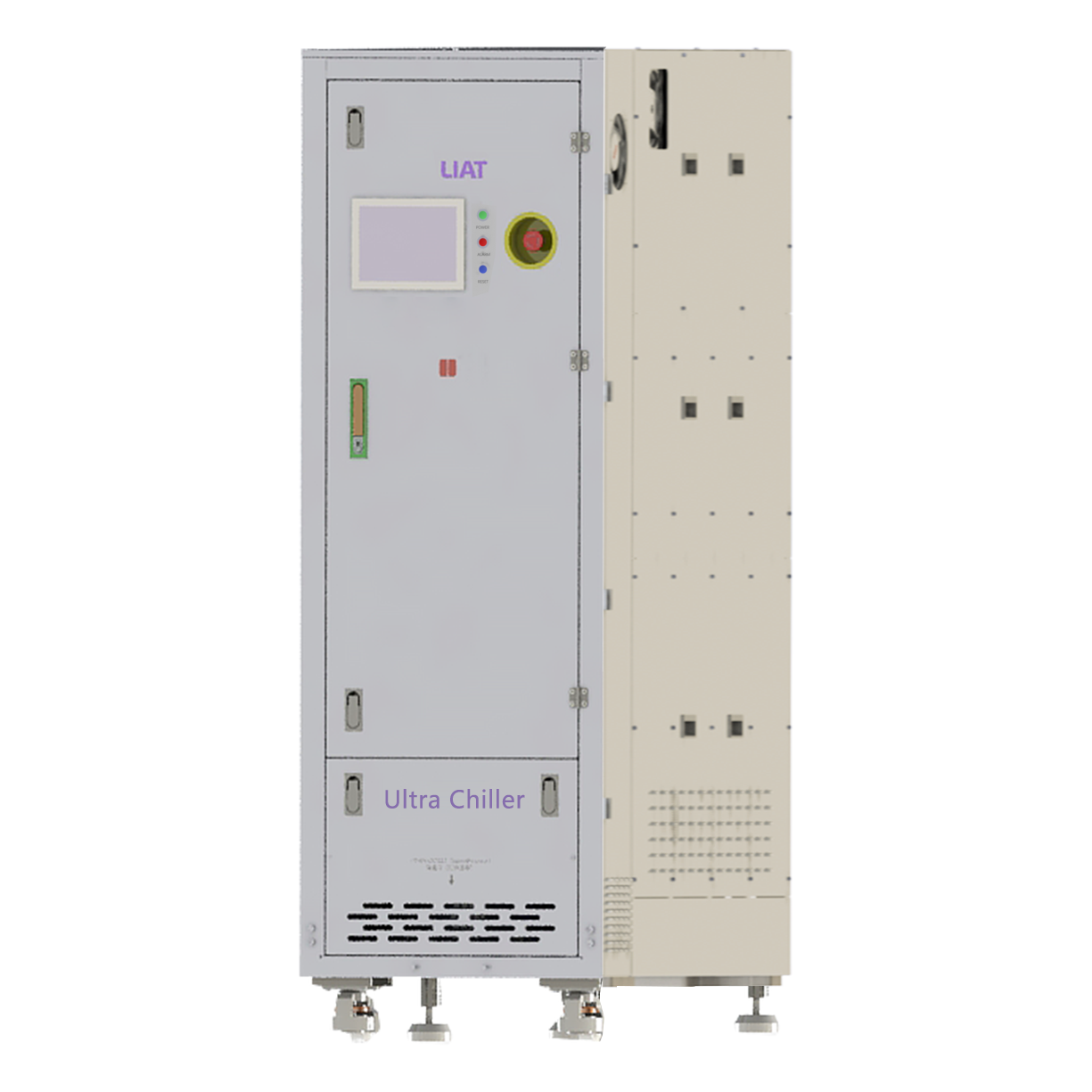
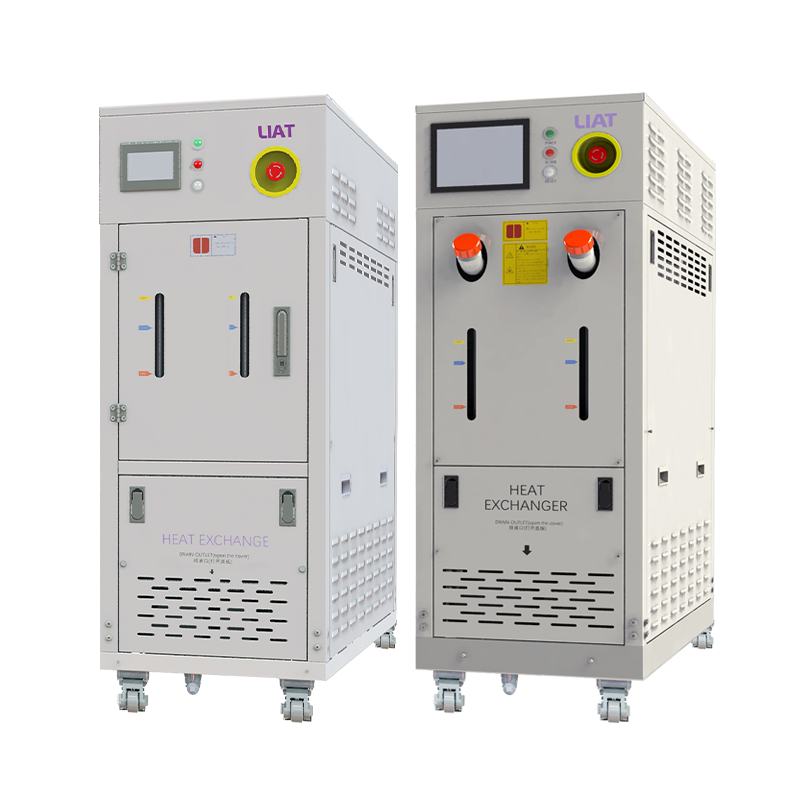
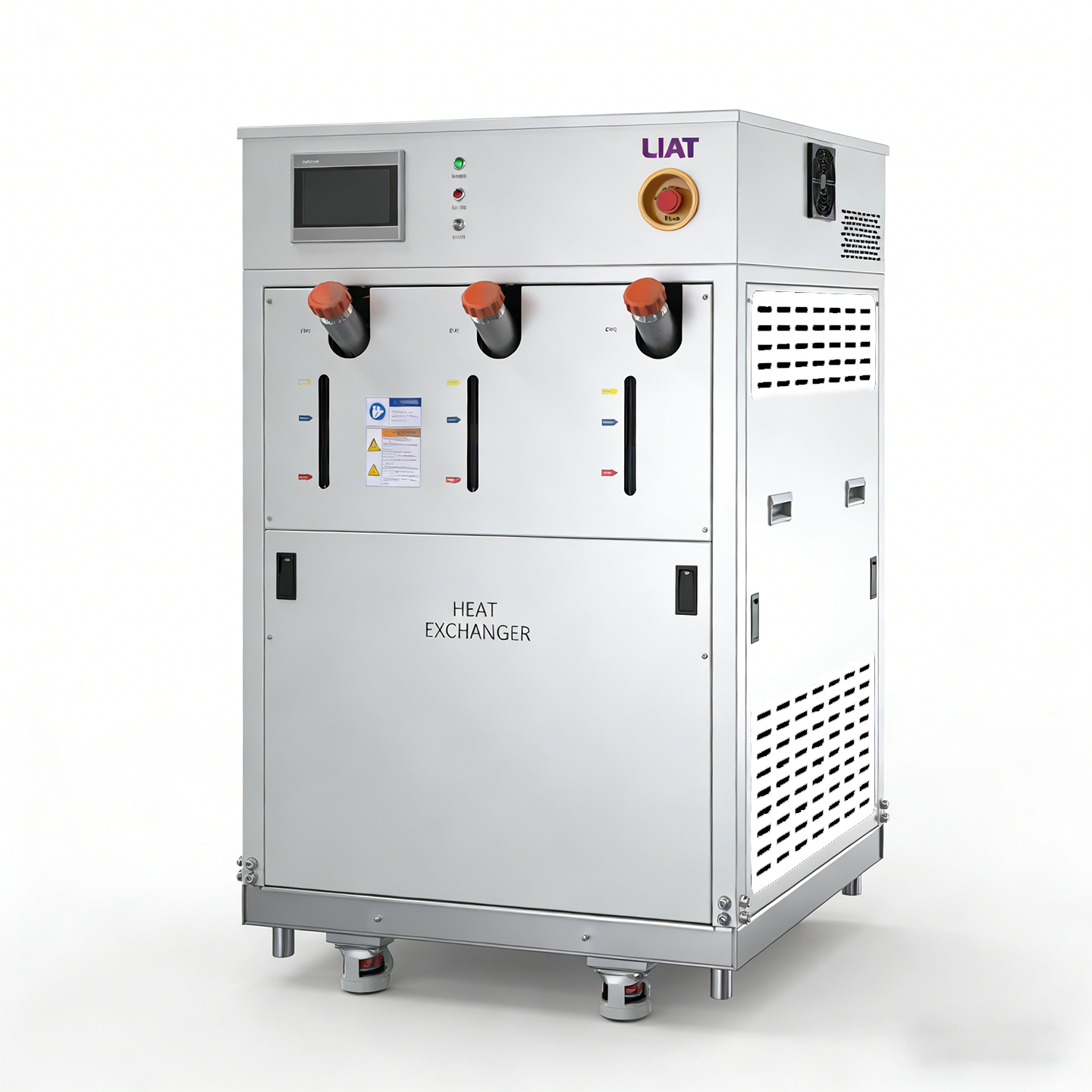
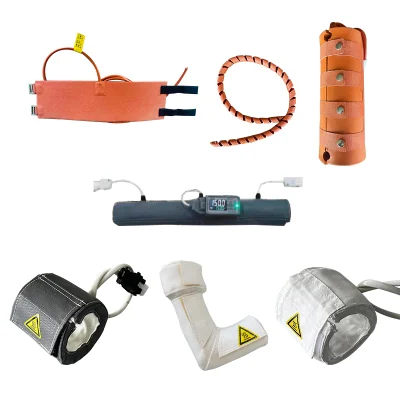 A cooling-loop maintenance view: heat exchange, filtration, and monitoring work together.
A practical lifecycle checklist
For routine operation, a compact checklist is often more useful than a long list of generic recommendations. The following sequence can help a team keep a water heat exchanger system visible within the wider loop:
- At commissioning: document the fluid, expected temperature range, design flow information, materials, filtration arrangement, treatment responsibility, and baseline readings.
- During normal operation: compare inlet and outlet trends under similar loads, inspect accessible strainers or filters, and review treatment records on the agreed schedule.
- When conditions change: record changes in load, make-up water, process fluid, controls, or maintenance. Do not treat a single abnormal reading as proof of fouling.
- Before cleaning: identify the suspected deposit or restriction, verify isolation and safety steps, and confirm the method is compatible with the equipment.
- After maintenance: capture new baseline data and identify whether follow-up sampling, filtration changes, or process checks are needed.
Common mistakes that make cooling-loop cleanliness harder
One common mistake is focusing only on the target temperature. A stable setpoint does not show whether the water heat exchanger system is operating with a growing pressure loss or reduced heat-transfer margin. Another is treating water quality as a laboratory issue disconnected from operations. The records have greater value when they are reviewed with process and maintenance data.
It is also easy to compare equipment models before confirming the operating envelope. Inlet temperatures, heat load variability, water source, contamination risk, allowable pressure drop, materials, access for cleaning, and control connections all affect the maintenance approach. A larger or more elaborate exchanger is not automatically the appropriate answer if those conditions are unknown.
Finally, avoid writing a cleaning interval into a procedure simply because it was used elsewhere. Different loops can have different make-up water, airborne exposure, heat loads, operating hours, and treatment programs. A condition-based review using observed trends is generally more defensible than an unsupported fixed schedule.
What to confirm before changing the maintenance plan
If cooling-loop cleanliness is becoming a recurring concern, gather the operating facts before changing hardware or treatment. Start with the current fluid description, water-treatment reports, baseline and recent temperature readings, pressure-drop observations, flow information, maintenance records, and any inspection findings. Then ask whether the change is isolated to the water heat exchanger system or is consistent across the broader loop.
This approach keeps the discussion grounded. The goal is not to claim that one action will solve every fouling issue; it is to match inspection, filtration, treatment, monitoring, and cleaning to the actual duty. With clear records and a repeatable review path, the heat exchanger becomes easier to maintain as part of a clean, stable cooling loop.
 Hot News