How a CVD Heating Jacket System Enhances Film Quality
A cvd heating jacket system is not a stand-alone answer to film quality. It is one part of the thermal chain that helps an engineering team manage the temperature of precursor delivery hardware, transfer lines, valves, and other components around a deposition process. From an equipment-integration perspective, its value comes from fitting the jacket, controls, insulation, process recipe, and maintenance routine into one verifiable operating plan.
CVD forms a film when volatile precursors reach the reaction environment and react or decompose at the substrate surface. That broad sequence makes upstream conditions important: a change in line temperature, flow behavior, or control response can alter what arrives downstream. A cvd heating jacket system may therefore support more repeatable operating conditions when its temperature range, sensor placement, and control handoff logic match the actual process boundary.
Why upstream temperature belongs in a film-quality discussion
Film quality is usually assessed through properties such as thickness behavior, uniformity, composition, stress, adhesion, or defect patterns. Those outcomes are shaped by many variables, including precursor chemistry, pressure, flow, chamber condition, substrate temperature, recipe timing, and exhaust behavior. A cvd heating jacket system does not replace control of those variables. Instead, it helps the team examine whether the route to the chamber has an avoidable thermal discontinuity.
For a precursor that needs a stable vapor path, a cooler exposed section can become a point worth checking. Heated upstream surfaces are commonly used in delivery designs to reduce the likelihood of vapor condensation. The practical question is not simply “Is the line warm?” It is whether the cvd heating jacket system holds the intended condition across bends, fittings, valve bodies, and transitions while the process is running.
If heat load changes substantially, a target temperature alone is usually not enough to judge the arrangement. Installation losses, ambient changes, insulation gaps, and contact quality can influence how a heating jacket behaves along a real assembly. That is why an engineering review should connect temperature setpoints to the physical route rather than treating a controller display as the whole system.
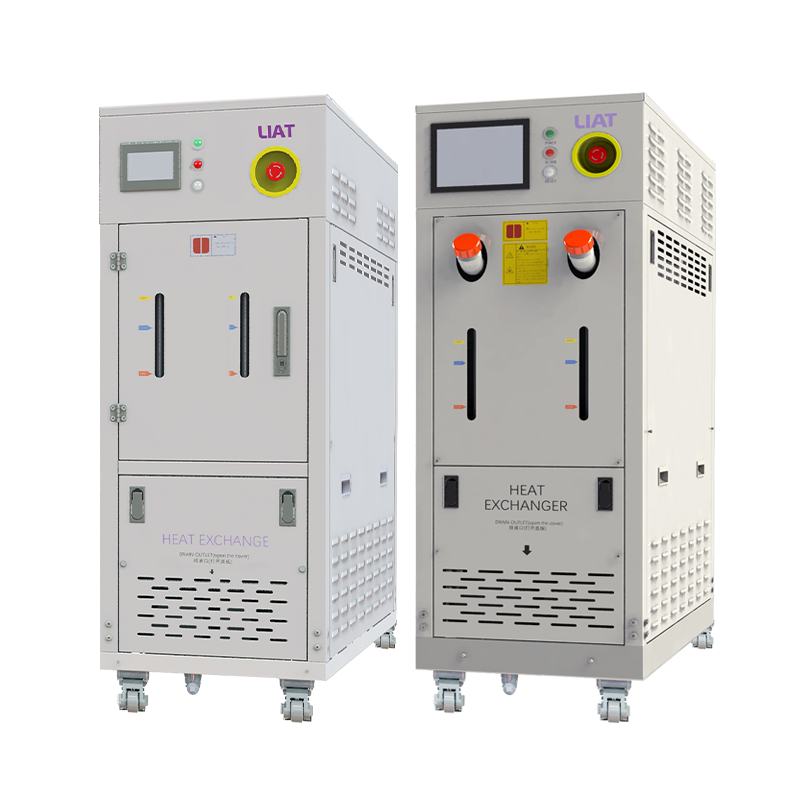
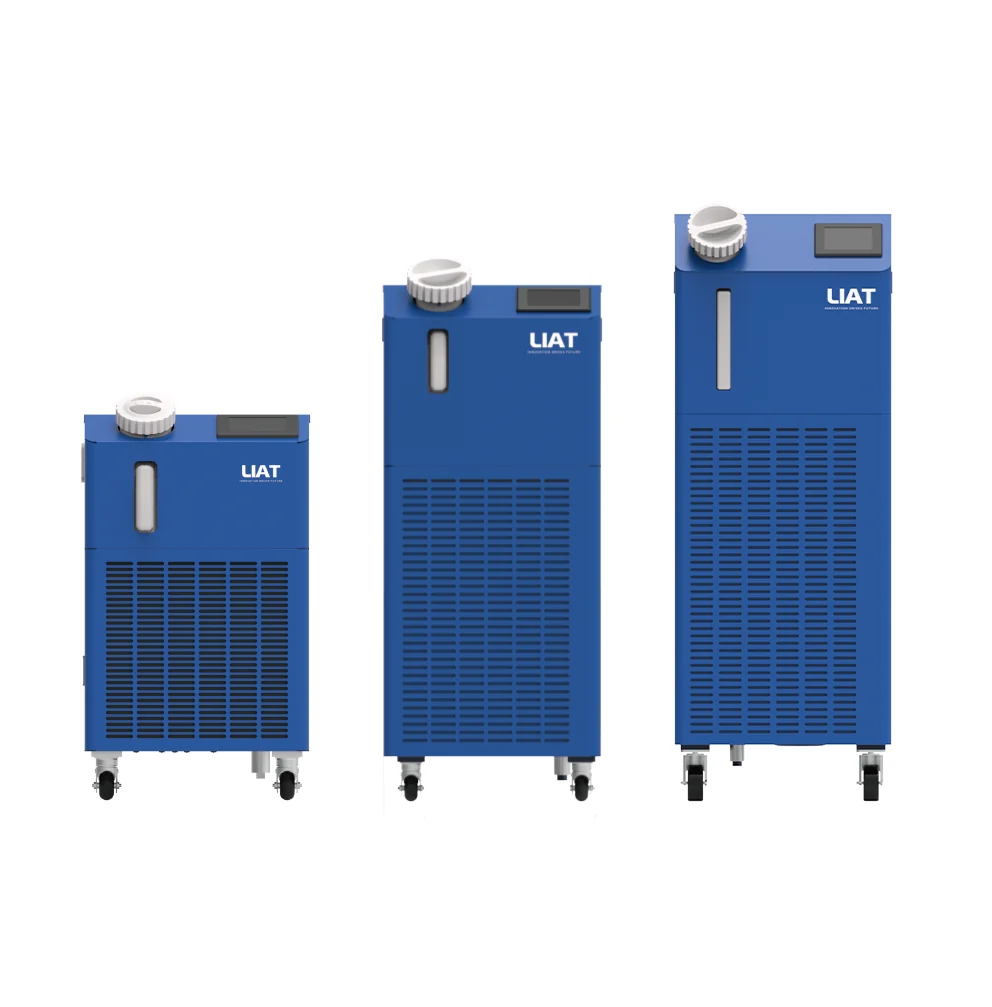 Illustrative view of a jacketed thermal-control section and its monitoring points.
How a heating jacket fits into the CVD thermal chain
A cvd heating jacket system typically combines a flexible or shaped heating element with insulation, temperature sensing, control hardware, power connections, and mechanical retention. The exact configuration depends on the geometry, material compatibility, cleanroom requirements, service access, and operating temperature needed for the application. The jacket should be discussed as a system connection, not only as a heated sleeve.
1. It helps define a more continuous thermal path
Transitions are often where a thermal review becomes useful. A vessel may be temperature controlled, yet a short connector, measurement point, or valve enclosure can have a different heat-transfer environment. A cvd heating jacket system can help the team map those sections and decide where controlled heating or insulation is appropriate. The purpose is to reduce unexplained thermal variation, not to claim that one component determines deposition results.
2. It makes temperature feedback actionable
A jacket without meaningful sensing gives limited process information. Sensor location, response time, wiring route, controller tuning, alarm behavior, and communications with the wider tool all matter. During design review, confirm whether the sensor represents the surface condition, the fluid path, or merely a nearby enclosure. A cvd heating jacket system supports useful decisions when the control signal is interpreted with that distinction in mind.
3. It supports a staged commissioning plan
From a common engineering workflow, checking heat load early can reduce rework later. Before a production recipe is used, the team can document warm-up behavior, check temperature stability at representative flows, and compare readings at critical locations. A cvd heating jacket system should be commissioned together with flow delivery and control-system connections, because a stable external surface does not by itself confirm stable precursor conditions.
Installation checks that influence real-world results
During installation, a cvd heating jacket system needs enough mechanical contact to transfer heat consistently without creating service or safety problems. Routing also matters: tight bends, unsupported wiring, inaccessible fasteners, or insulation seams near a fitting can make later inspection more difficult. Where the assembly includes valves, tees, or mass-flow hardware, each component should be reviewed for its own allowable operating conditions.
- Map the heated route, including short transitions that might otherwise be overlooked.
- Confirm the required temperature window, heat-loss conditions, and allowable materials with the responsible process team.
- Identify sensor locations and clarify what each reading represents.
- Verify electrical protection, grounding, interlocks, and the control-system handoff.
- Record access points for inspection, replacement, and cleaning procedures.
A useful cvd heating jacket system review also separates known facts from items that still need validation. For example, a target line temperature may be known, while the temperature profile through a particular valve assembly requires measurement. Making that boundary explicit is more helpful than assuming the same setting applies everywhere.
Operating signals worth watching
Once the process is active, the cvd heating jacket system should be considered alongside trends in pressure, flow, recipe timing, and chamber response. A drift in a temperature trend can prompt a structured check, but it does not prove the source of a film issue. Start with the simplest evidence: controller records, sensor agreement, jacket contact, insulation condition, and changes made to the delivery route or recipe.
From the perspective of field operation, intermittent behavior deserves special attention. A line that looks stable during idle time may respond differently during material delivery or after maintenance. Reviewing the sequence of warm-up, stabilization, process exposure, and cool-down helps distinguish a local heating concern from a broader gas-delivery or chamber-control issue.
Questions to ask before specifying a CVD heating jacket system
Rather than selecting by a nominal temperature alone, prepare a short project brief. A cvd heating jacket system can be evaluated more clearly when the team shares the fluid or precursor type, target temperature window, line geometry, component materials, expected flow changes, environmental conditions, controls connection, and maintenance constraints. These inputs create a basis for discussing fit, verification, and acceptance criteria.
Lingheng Thermal Control Technology (Suzhou) Co., Ltd. works in precision thermal-management discussions across semiconductor and industrial applications. For a project-specific conversation, the most useful starting point is a documented thermal boundary and a list of connection conditions—not an isolated claim about film performance.
Conclusion
A cvd heating jacket system can enhance a film-quality workflow by helping engineers control and verify one important upstream condition: the thermal continuity of the delivery path. Its contribution depends on the chemistry, geometry, sensing strategy, controls, process timing, and commissioning evidence around it. When those conditions are reviewed together, a heating jacket becomes a practical part of a disciplined CVD thermal-control plan.
 Hot News