What to Verify with a Semiconductor Chiller Supplier Before Purchase
Buying a semiconductor chiller is not simply a comparison of catalogue temperatures and cooling capacities. In a semiconductor tool or test environment, the cooling loop sits between process conditions, equipment interfaces, control logic, and maintenance practice. A supplier can only make a meaningful selection when those inputs are clear. From an industrial procurement perspective, the most useful pre-purchase work is to turn broad requirements into questions that can be answered with documents, calculations, and a witnessed test plan.
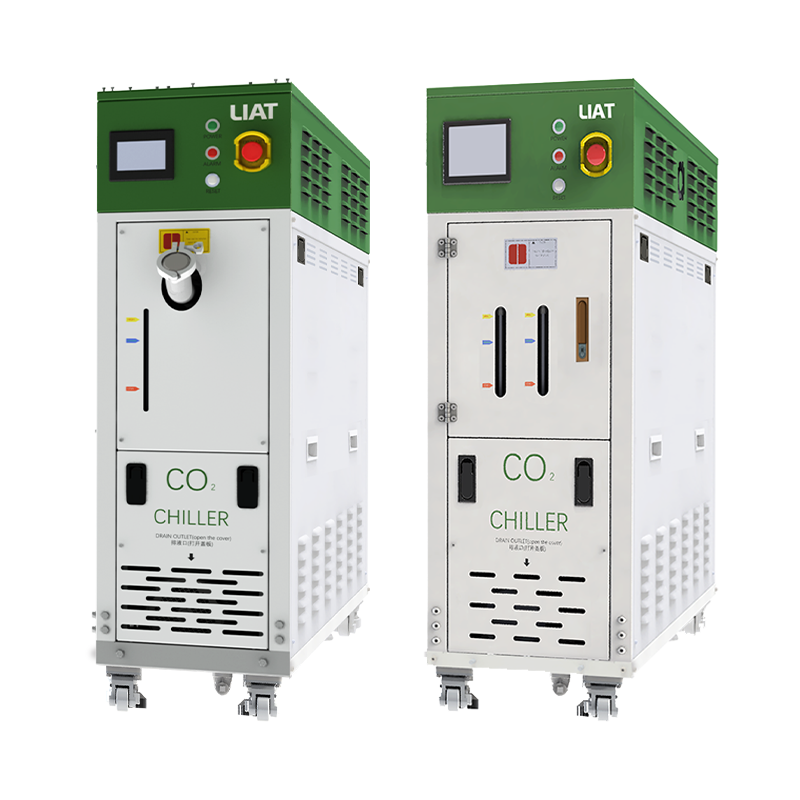
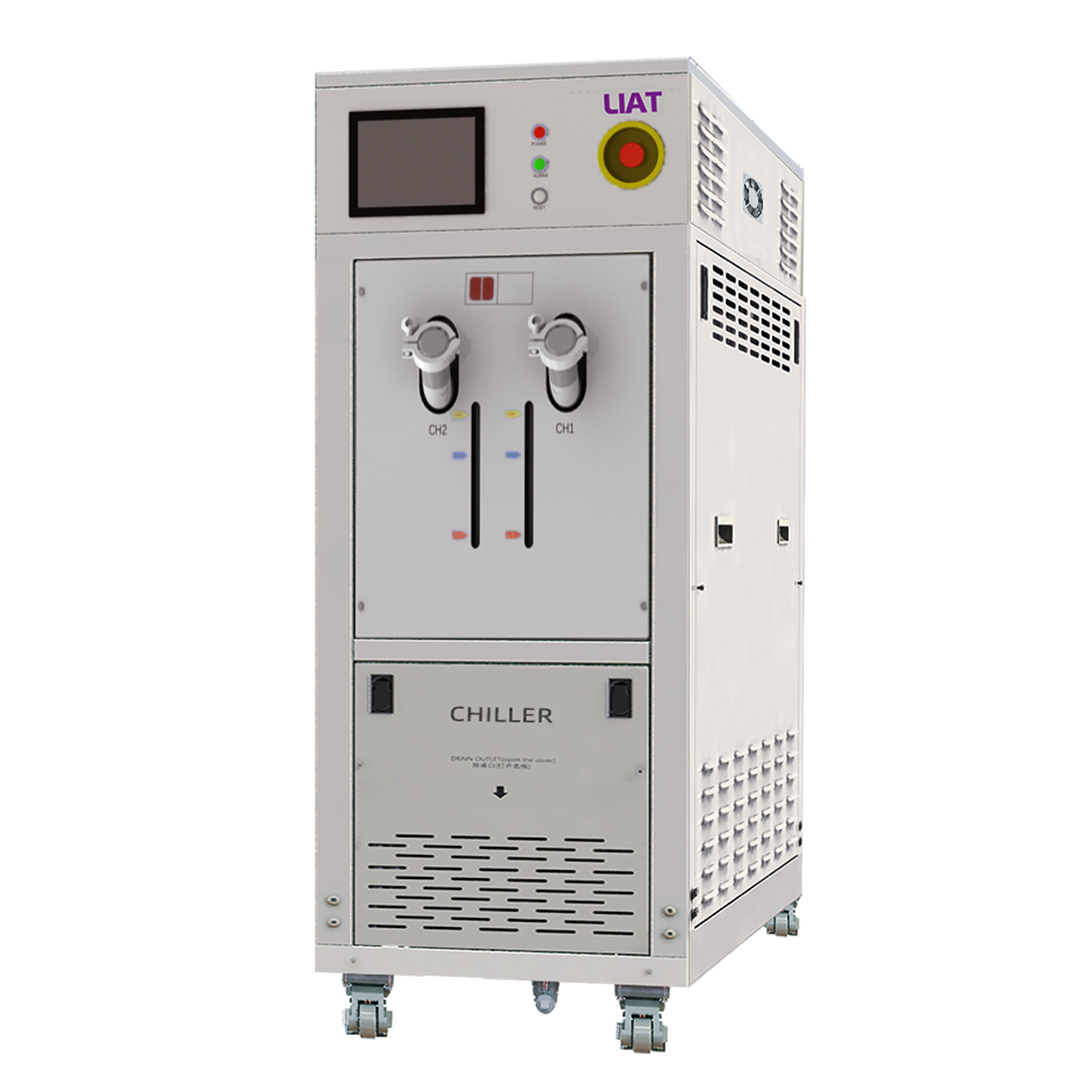
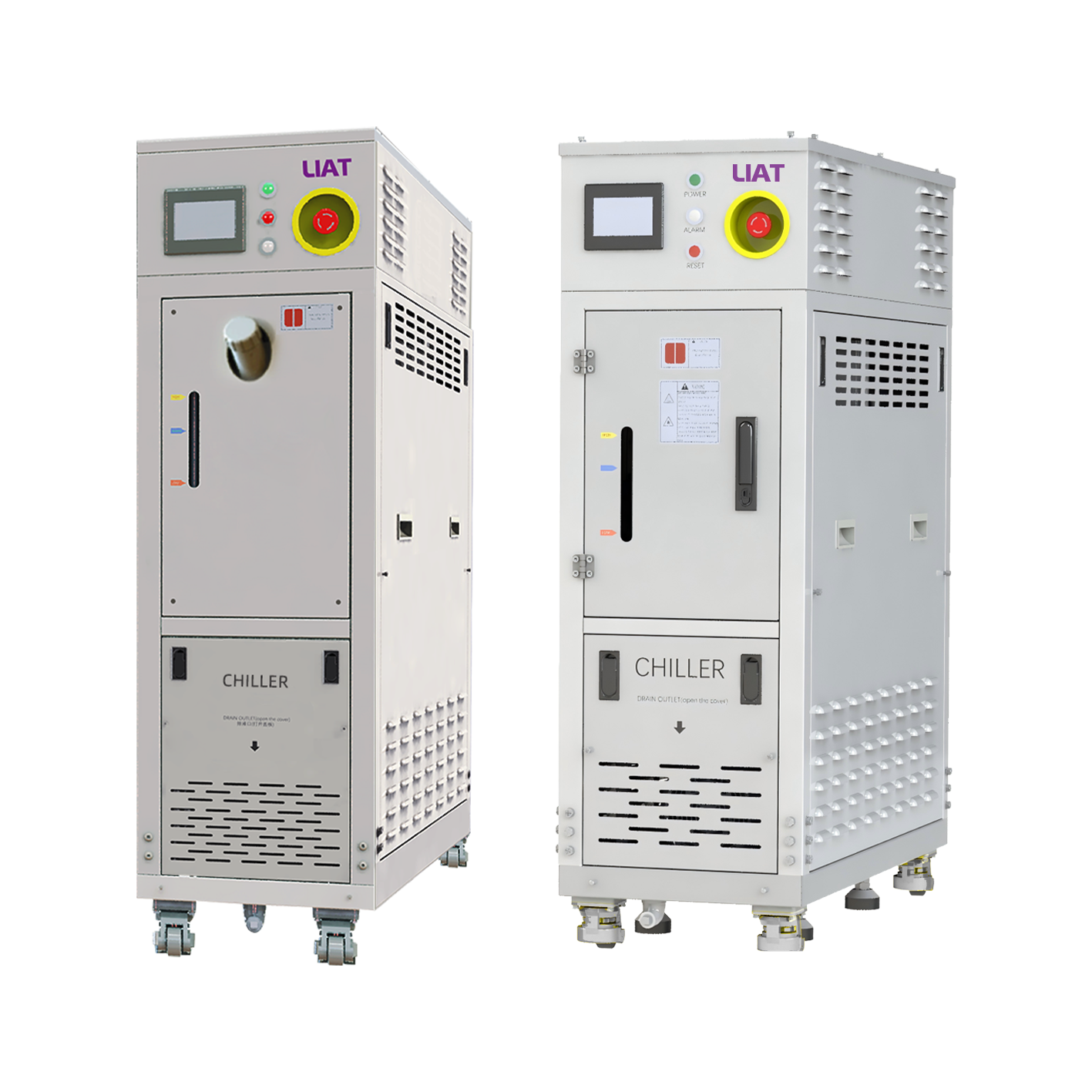
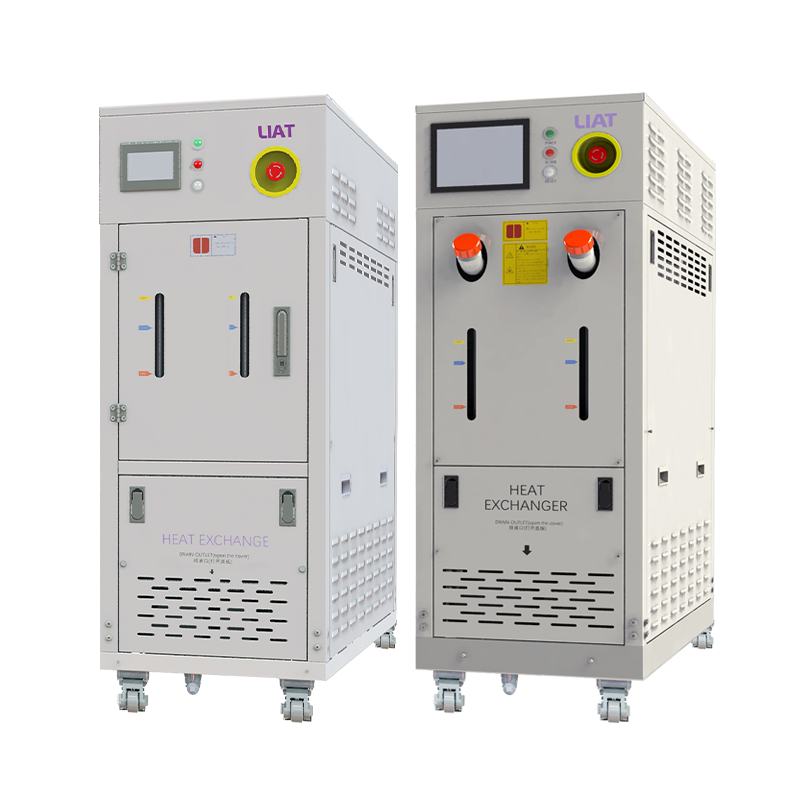
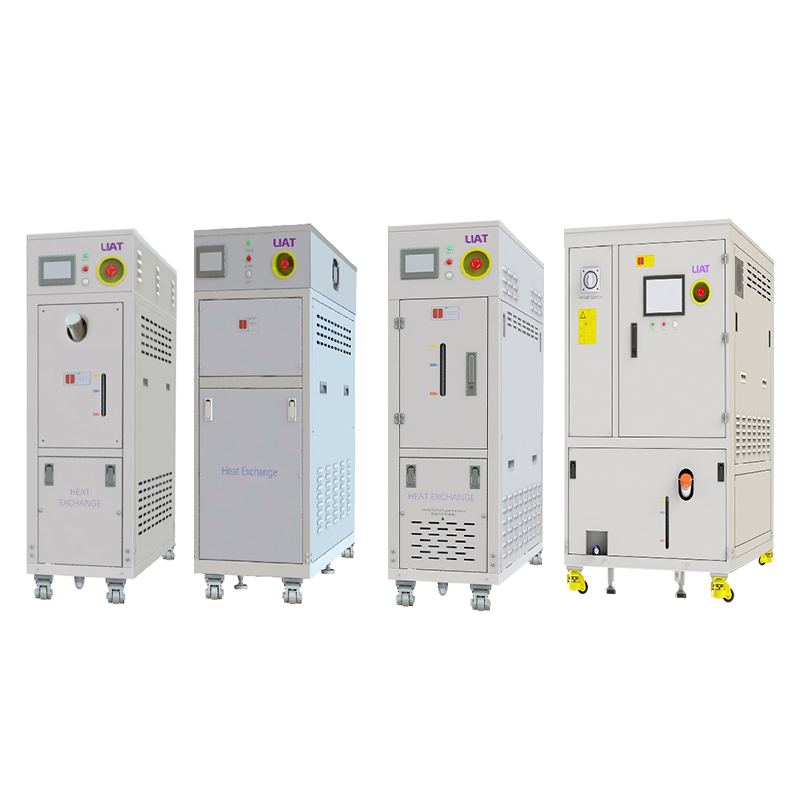
This checklist helps buyers evaluate a supplier without assuming that one published specification guarantees suitability. It also makes room for the related decisions around a process chiller, a temperature control chiller, and the cooling-loop heat exchanger.
1. Start with the process duty, not the model number
Ask the supplier to restate the application in a written requirement summary before discussing a specific semiconductor chiller model. The summary should identify the target temperature range, allowable stability or deviation, heat-load profile, ambient conditions, operating hours, fluid, and expected flow and pressure conditions. If the load changes during wafer processing, inspection, laser work, or testing, describe the timing and size of those changes rather than supplying only an average value.
That distinction matters because a process chiller that appears adequate at steady load may need a different control approach when the duty cycles. Ask what information the supplier used for sizing and which assumptions remain open. A useful answer separates confirmed project data from preliminary estimates. If your team has not yet defined the heat-load curve, make that an action item rather than accepting a capacity claim at face value.
2. Verify temperature capability under the real load condition
Temperature range and temperature control are related, but they are not the same purchasing question. Request the supplier’s test conditions for any stated temperature stability, pull-down performance, or capacity value. Confirm the setpoint, ambient temperature, fluid type, flow rate, load method, sensor location, test duration, and whether the result reflects steady operation or a transient event.
For a temperature control chiller, ask how the controller handles a planned change in load and what process-side signal it can receive or report. The answer may depend on the control architecture and site integration, so it should be reviewed with the tool engineer rather than treated as a generic feature. Where a supplier proposes a low-temperature or heating-and-cooling configuration, request the applicable operating envelope and the conditions that limit it.
3. Review the fluid circuit and heat-exchanger compatibility
A cooling-loop discussion should include more than inlet and outlet connections. Provide the intended fluid or coolant, expected water quality, any treatment practice, the use of an open cooling tower where relevant, filtration approach, materials constraints, and cleanliness requirements. These details help the supplier assess the heat exchanger, seals, piping, pump, and service plan against the actual fluid circuit.
Ask for a clear boundary between the supplier’s equipment and the site utilities. Which side supplies filtration? What are the required flow, pressure, and temperature conditions at the connection point? What alarms identify a flow or temperature issue? A practical semiconductor chiller evaluation includes a drawing or interface list that names these responsibilities. It is better to identify a missing utility condition before purchase than to discover it during commissioning.
4. Check interfaces, controls, and data expectations
Semiconductor equipment integration often involves more than plumbing. Give the supplier the available electrical supply, footprint limits, communication preference, interlock requirements, alarm points, and control-system ownership. Then ask the supplier to confirm each item in a compliance matrix. The matrix should distinguish standard connections from options, customer-supplied items, and items requiring engineering confirmation.
Do not assume that a semiconductor chiller will communicate with a host system simply because both use common industrial terminology. Ask which parameters can be monitored, which alarms can be exported, what documentation is included, and how changes are controlled. If the project has equipment-safety requirements, ask the supplier which documents are available for review and whether a guideline such as SEMI S2 is applicable to the supplied scope. That is a verification question, not a claim that every chiller is certified to a particular requirement.
5. Request evidence for performance and acceptance
A strong supplier response includes a proposed factory acceptance test or an equivalent verification plan. Ask for the test objective, instrumentation, calibration status, acceptance criteria, load method, run time, data-recording interval, and deviation handling. The objective is not to force every site condition into a factory test; it is to identify which conditions can be demonstrated before shipment and which must be verified during site commissioning.
For example, a process chiller may be evaluated at an agreed load and flow condition, while the final process response is verified after it is connected to the real equipment. Ask the supplier to state that boundary in writing. You can also ask how a failed or inconclusive result would be investigated, retested, and documented. This keeps the acceptance discussion factual and reduces ambiguity between purchase order, test record, and startup work.
6. Evaluate serviceability and lifecycle support
Initial price is only one part of a semiconductor chiller decision. Review access for routine service, consumable or maintenance items, expected inspection points, spare-parts identification, remote-support process if offered, and response channels for the target region. Request the maintenance schedule and a list of information the supplier needs when troubleshooting. If the system includes a critical heat exchanger or pump arrangement, ask what inspection or cleaning guidance applies to the proposed fluid conditions.
Be careful with promises that are not written into the scope. Rather than asking whether service is “good,” ask for the escalation path, normal documentation delivered with the unit, and the roles of the supplier, integrator, and end user. A transparent answer is more useful than a broad assurance.
7. Use a supplier comparison sheet before issuing the order
Put each candidate on the same sheet. The table below is intentionally a verification tool, not a pass/fail specification. It helps procurement, engineering, and operations identify where further evidence is needed.
| Verification area | What to request | What to clarify before purchase |
|---|---|---|
| Process duty | Temperature, load, flow, pressure, ambient and duty-cycle assumptions | Which values are confirmed versus estimated? |
| Temperature control | Test method, sensor location, stability condition and control narrative | How is performance affected by changing load? |
| Fluid circuit | Fluid compatibility, filtration needs, utility boundary and heat exchanger information | Who owns water-quality and cleanliness controls? |
| Integration | Electrical, communications, alarms, interlocks and drawings | What requires site-specific engineering confirmation? |
| Acceptance | FAT or verification plan, instruments and records | Which checks occur before shipment and at commissioning? |
| Support | Manuals, maintenance plan, spares and escalation route | Which responsibilities remain with the buyer or integrator? |
Make the next conversation evidence-based
A supplier should not have to guess the conditions surrounding a semiconductor chiller, and a buyer should not have to infer what a catalogue value includes. Before purchase, share the process duty and interface data, ask for assumptions to be written down, and agree on a verification path for the most important risks. This approach applies whether the project needs a compact process chiller, a tightly controlled temperature control chiller, or a larger thermal loop with a carefully selected heat exchanger.
For project discussions, Lingheng Thermal Control Technology (Suzhou) Co., Ltd. can use the same requirement checklist to organize target temperature, heat load, fluid, interface, and acceptance-test questions. The final configuration should be confirmed against the documented project conditions.
 Hot News